Denzha Sans Serif Font for Modern Web Design
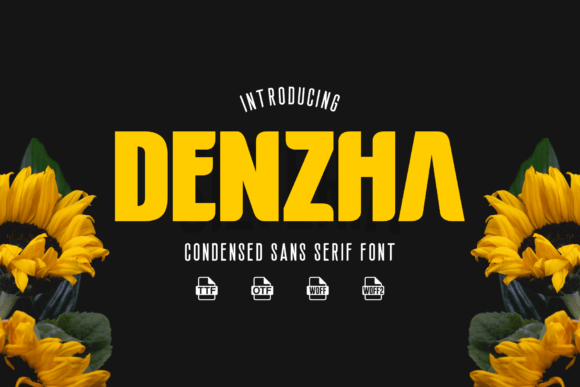
Denzha is a contemporary sans serif typeface that brings elegance and clarity to digital design. As a web designer, I've found that the right font can make or break a user's first impression of a website. Denzha stands out with its clean lines, balanced contrast, and modern aesthetic—making it an excellent choice for a wide range of digital projects.
Visual Characteristics and Digital Appeal
Denzha’s design features a sleek, minimalist profile with well-defined strokes and subtle optical adjustments that enhance readability on screen. Its personality is professional yet approachable, which makes it versatile for various brand tones. Whether you're working on a high-end portfolio site or a fast-paced landing page, Denzha maintains a consistent visual rhythm that supports your design goals.
The font’s beautiful contrast ensures that text remains legible even at smaller sizes, which is essential for mobile optimization. This makes Denzha particularly useful for headers, navigation menus, and other elements that need to be scannable without sacrificing style.
Applying Denzha in Web Layouts
When designing a website, choosing the right typography is crucial for visual hierarchy and user engagement. Denzha excels as a display font for hero sections, headlines, and call-to-action buttons. Its bold weight can draw attention effectively while maintaining a sense of professionalism.
For example, using Denzha in the header of a creative portfolio site can immediately establish a modern and polished look. Pairing it with a complementary sans serif font for body copy helps maintain a cohesive design language while ensuring readability across different content types.
On an online store, Denzha works well for product titles and promotional banners. Its clean appearance helps highlight key information without overwhelming the viewer. In a coaching or course sales page, it can convey trust and authority, reinforcing the brand's message through typography.
Readability and Brand Impression
One of the most important aspects of any font is how it affects readability. Denzha’s structure allows for easy scanning, which is especially valuable in content-heavy areas like blog posts, editorial sections, or product descriptions. Its clear letterforms help reduce cognitive load, making it easier for users to absorb information quickly.
Additionally, Denzha contributes to a strong brand identity. The font’s modern and elegant feel aligns well with brands that aim to appear innovative yet trustworthy. Whether used for logo text or decorative accents, Denzha adds a layer of sophistication that enhances the overall user experience.
When used on dark backgrounds or image overlays, Denzha maintains its legibility due to its high contrast. This flexibility allows designers to experiment with different layouts without compromising the font’s performance.
Font Pairing and Stylistic Versatility
Font pairing is a critical part of creating a visually appealing design. Denzha pairs well with both serif and sans serif fonts, depending on the desired effect. For a more traditional editorial look, combining Denzha with a serif font for body text can add depth and character to the layout.
If you’re looking for a modern, all-sans-serif approach, Denzha can be paired with a lighter weight version of itself for body copy. This creates a harmonious balance between emphasis and readability, ensuring that the design feels intentional and well-structured.
It’s also worth considering the available weights and styles when using Denzha. Having access to multiple weights allows for greater control over visual hierarchy, enabling you to create a more dynamic and engaging layout.
Practical Considerations for Web Use
Before implementing Denzha on a live site, it's important to check if the font includes webfont support. This ensures that it loads efficiently and displays correctly across different devices and browsers. Additionally, verifying multilingual support is essential if your audience spans multiple regions.
Commercial licensing is another factor to consider. If you're using Denzha for client projects, online stores, or digital templates, ensure that the license covers all intended uses. This protects both you and your clients from potential legal issues down the line.
Finally, always test Denzha in real-world scenarios. How does it look on mobile screens? Does it scale well in responsive layouts? These practical checks will help ensure that Denzha performs as expected in every context where it’s used.